 LLM Security and Trust
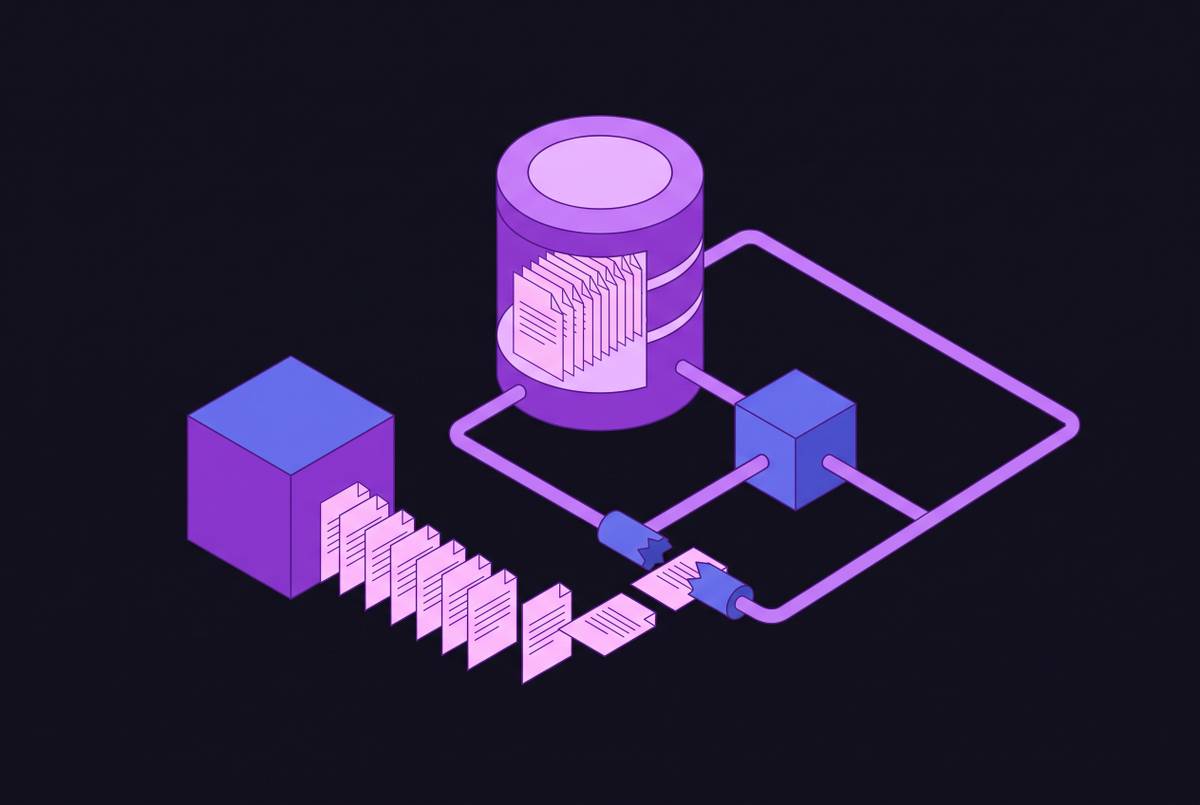
Least Privilege Design for AI Agent Tool Permissions
AI agents need permission controls designed for rapid, autonomous action, not static human roles.
The Context Window Editors·
 LLM Security and Trust
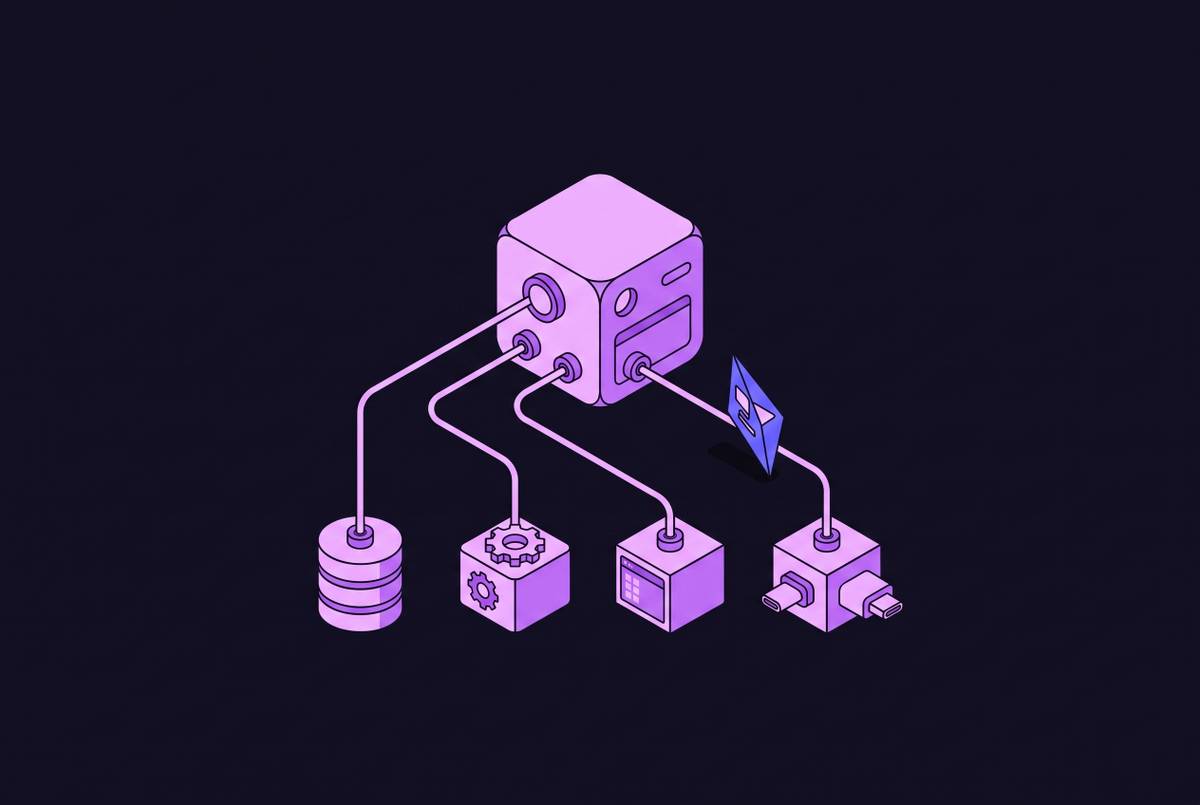
Data Exfiltration Risks in RAG-Powered Applications
Attackers exploit RAG systems by crafting queries that leak sensitive knowledge base contents.
The Context Window Editors·
 LLM Security and Trust
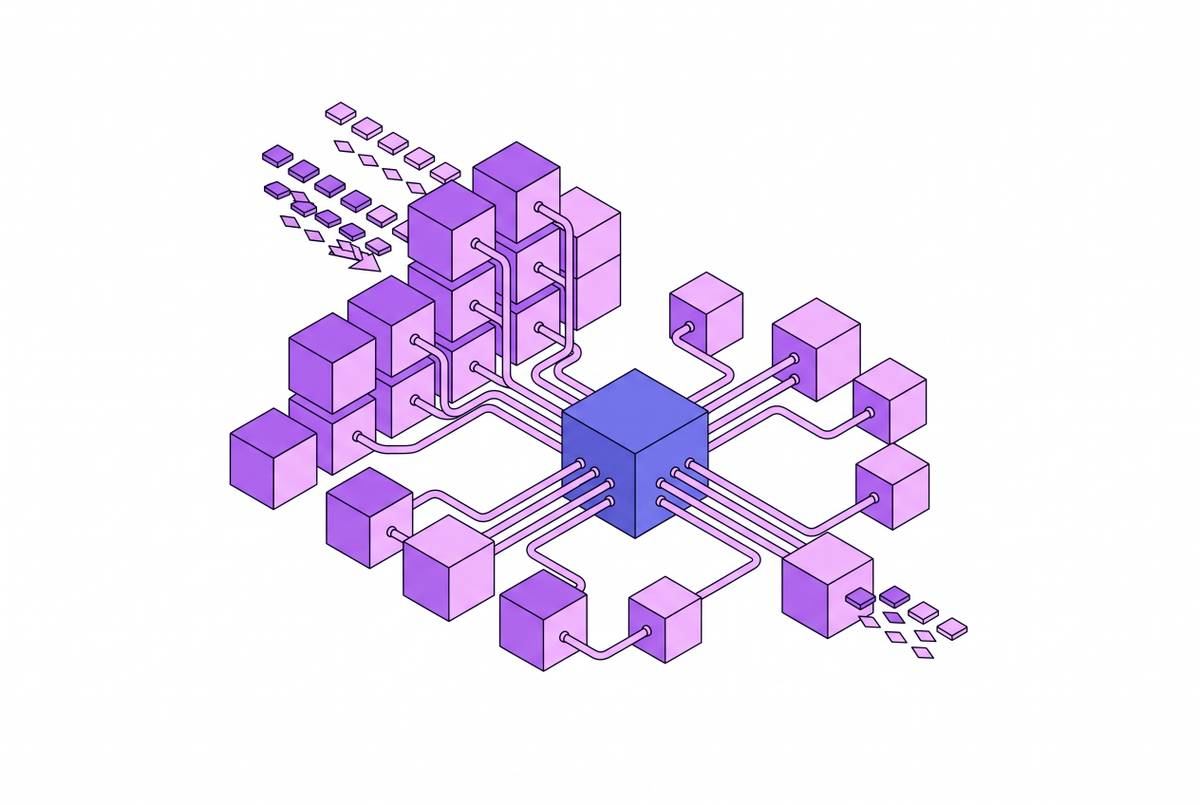
Prompt Injection Attacks Against Tool-Using Agents
Attackers exploit tool-connected agents through hidden instructions in retrieved data.
The Context Window Editors·
 Context Delivery
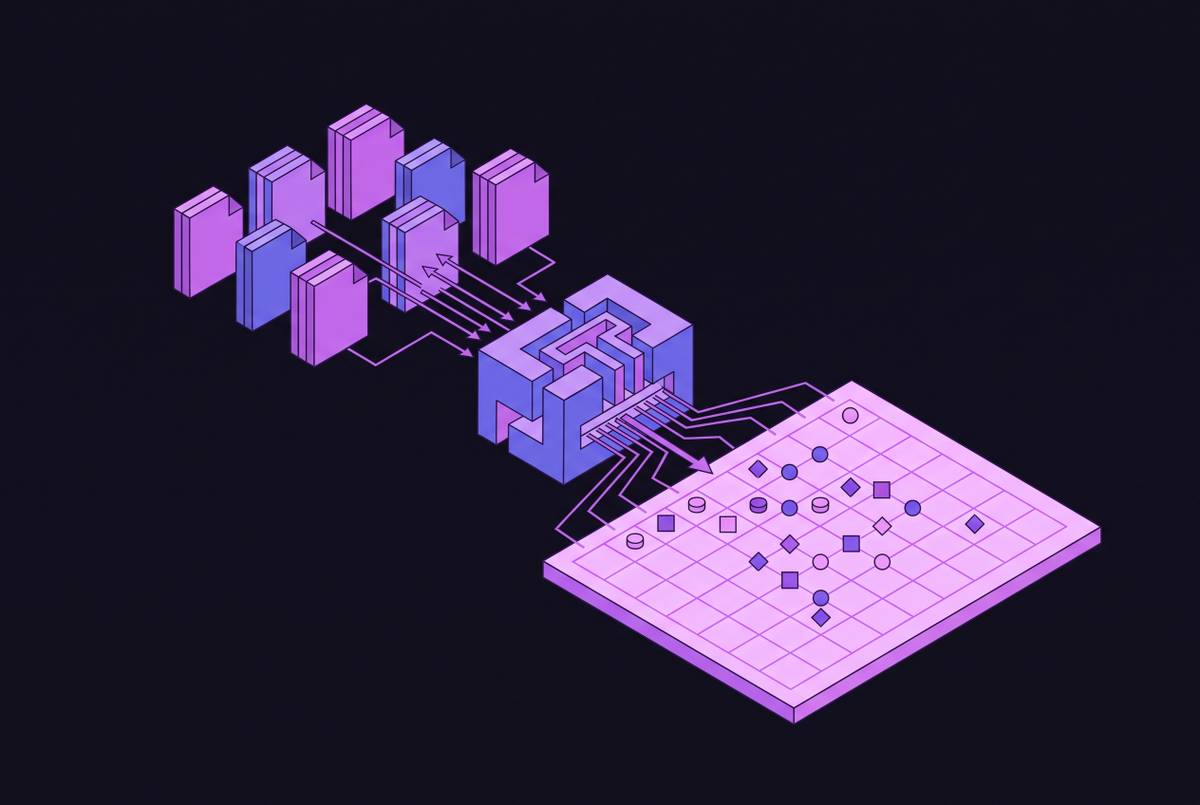
Prompt Caching Economics in High-Volume Agent Systems
Clever prefix design and TTL timing determine whether agents actually capture caching savings.
The Context Window Editors·
 Context Delivery
Embedding Model Selection for Domain-Specific Corpora
Domain expertise beats leaderboard rankings when selecting embeddings for specialized text.
The Context Window Editors·
 Context Delivery
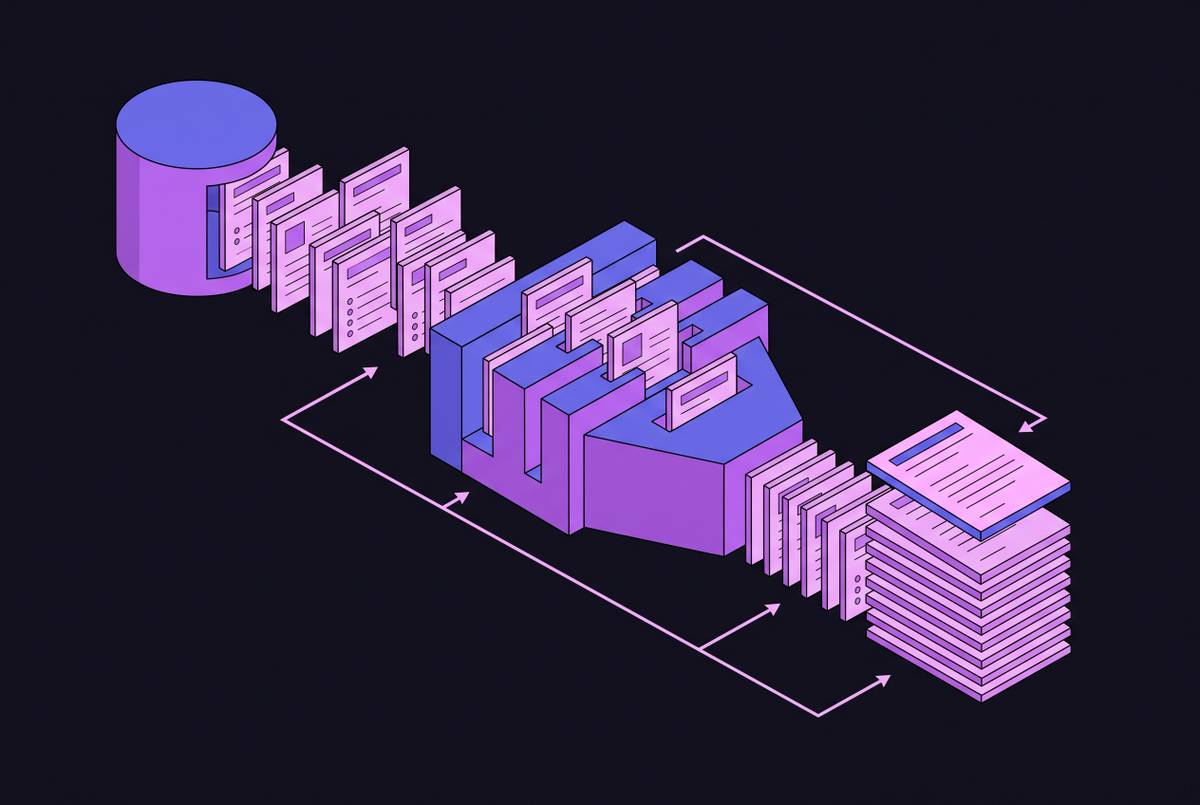
Reranking Models and Their Impact on RAG Answer Quality
Placing better documents at the top of the context window dramatically lifts RAG answer quality.
The Context Window Editors·
 Context Delivery
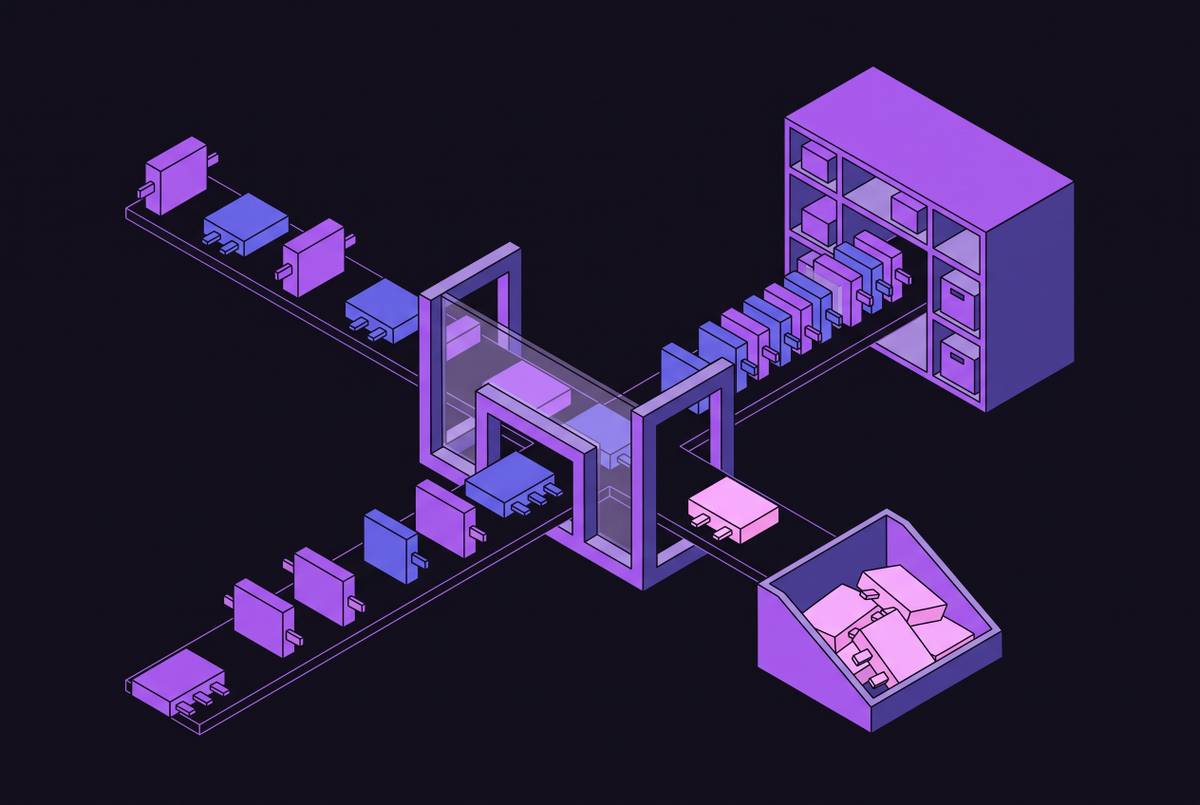
Metadata Filtering to Improve Retrieval Precision
Filter metadata before vector search runs to prevent irrelevant results.
The Context Window Editors·
 Context Delivery
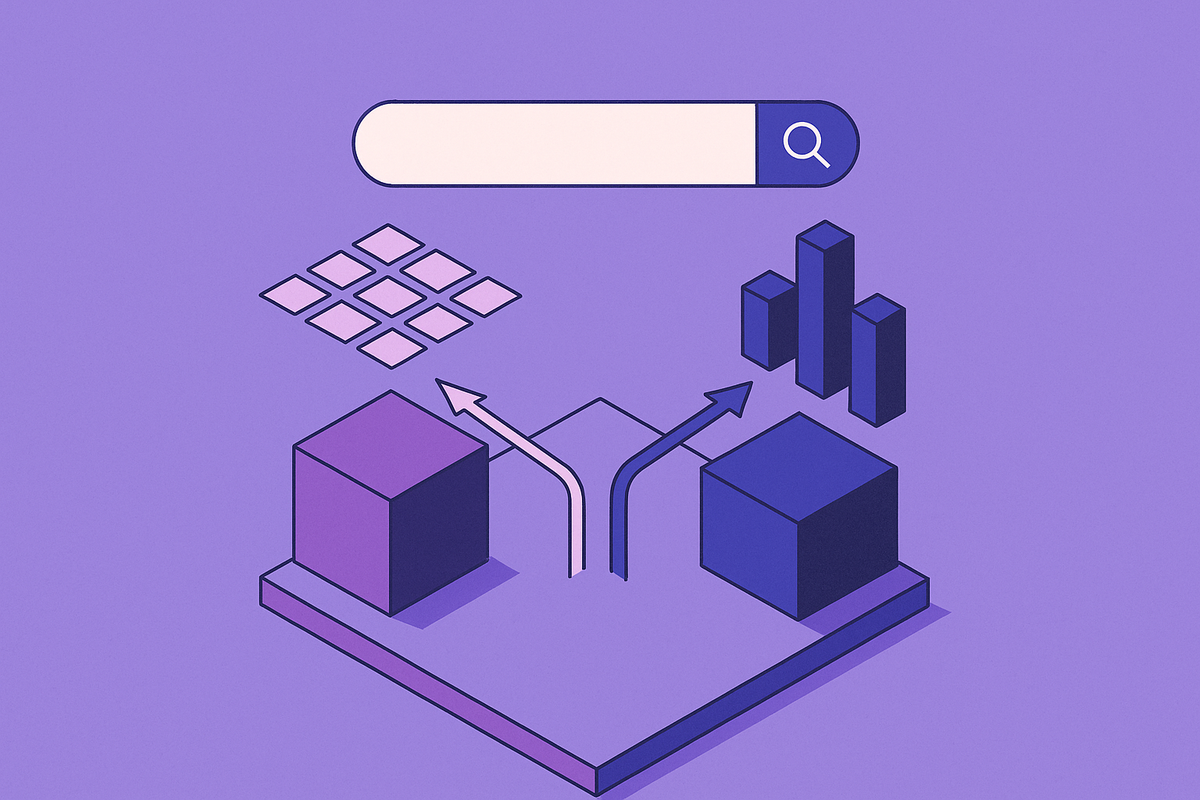
Hybrid Search Combining Dense and Sparse Retrieval
Two retrieval methods catch what the other misses, boosting accuracy over either alone.
The Context Window Editors·
 Context Delivery
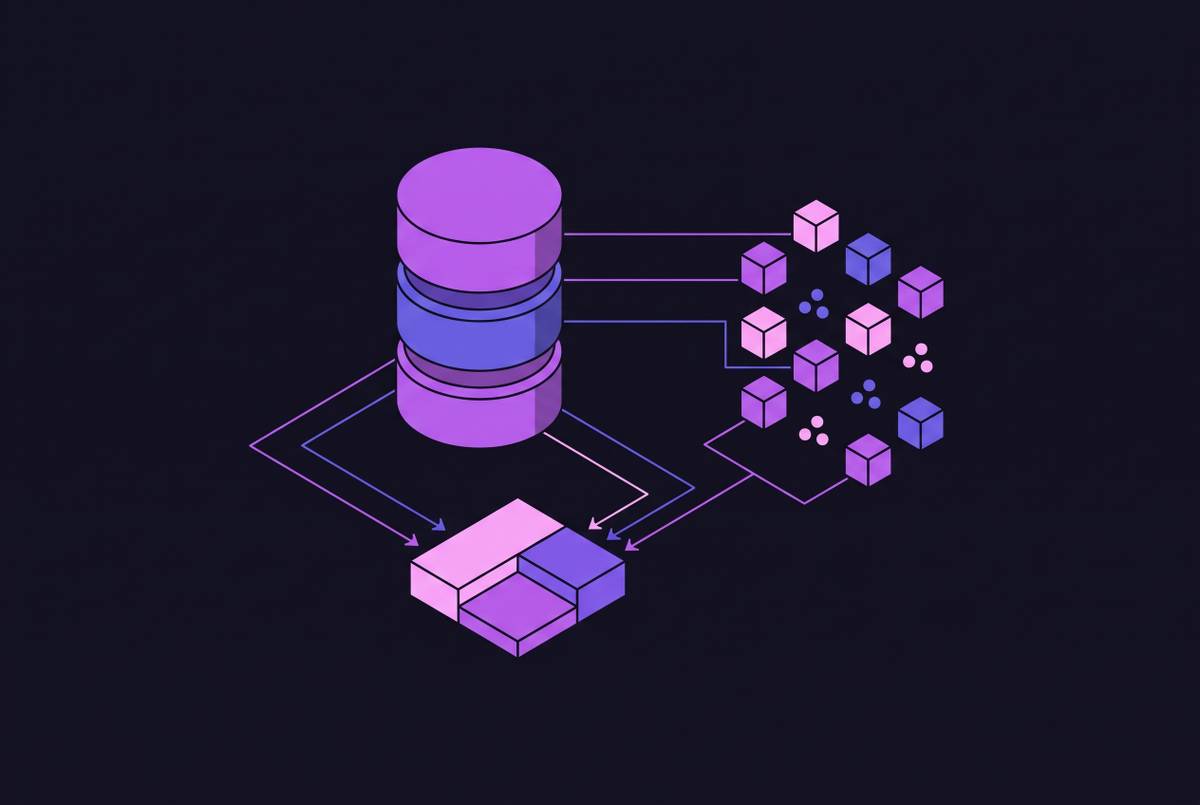
Vector Database Selection for RAG Pipelines
Match the workload to the database, not the benchmark, to build RAG systems that actually work.
The Context Window Editors·
 Context Delivery
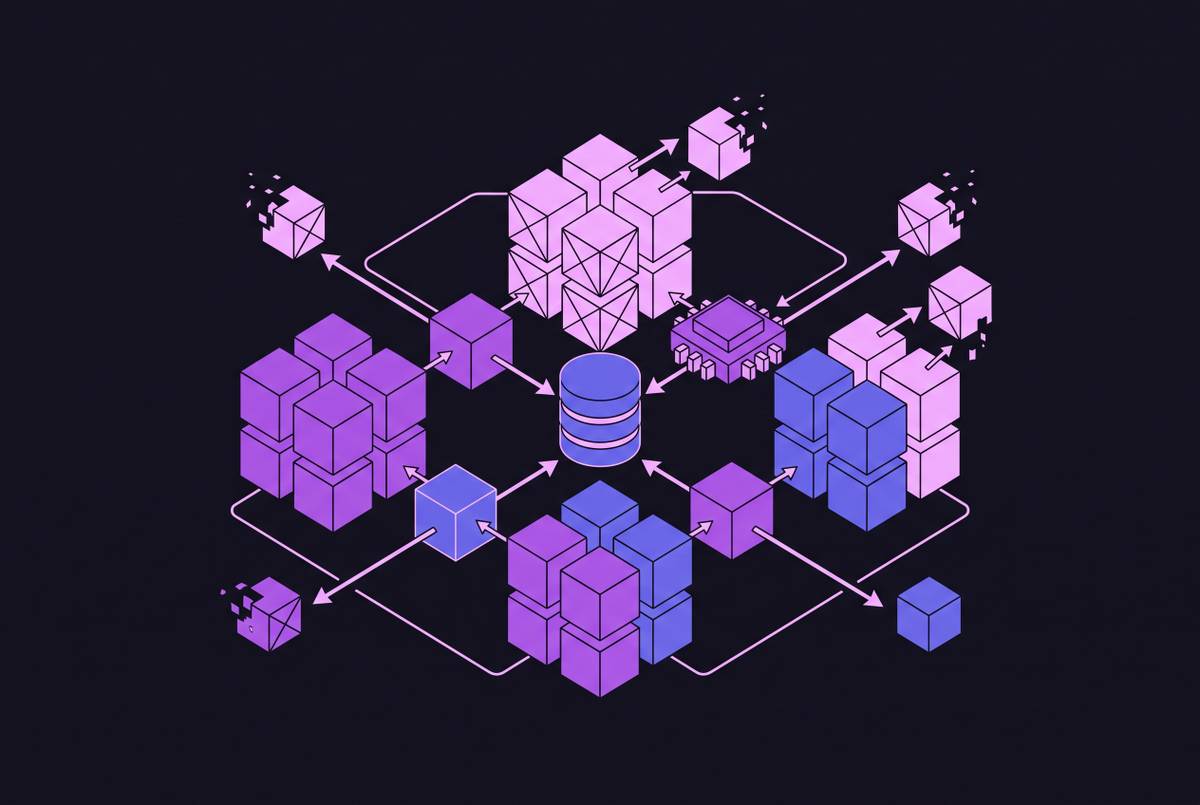
Context Freshness and Cache Invalidation for LLM Systems
Three cache layers demand different invalidation strategies to keep costs down.
The Context Window Editors·
 Context Delivery
Chunking Strategies and Retrieval Quality in RAG
Chunking matters as much as your embedding model—and most teams optimize the wrong layer.
The Context Window Editors·
 AI Agent Architectures
Stateless vs Stateful Agent Design Tradeoffs
Choose stateless for short tasks, stateful for long conversations.
The Context Window Editors·
 AI Agent Architectures
Subagent Spawning and Task Decomposition Strategies
Context isolation prevents token degradation as AI systems handle longer, more complex tasks.
The Context Window Editors·
 AI Agent Architectures
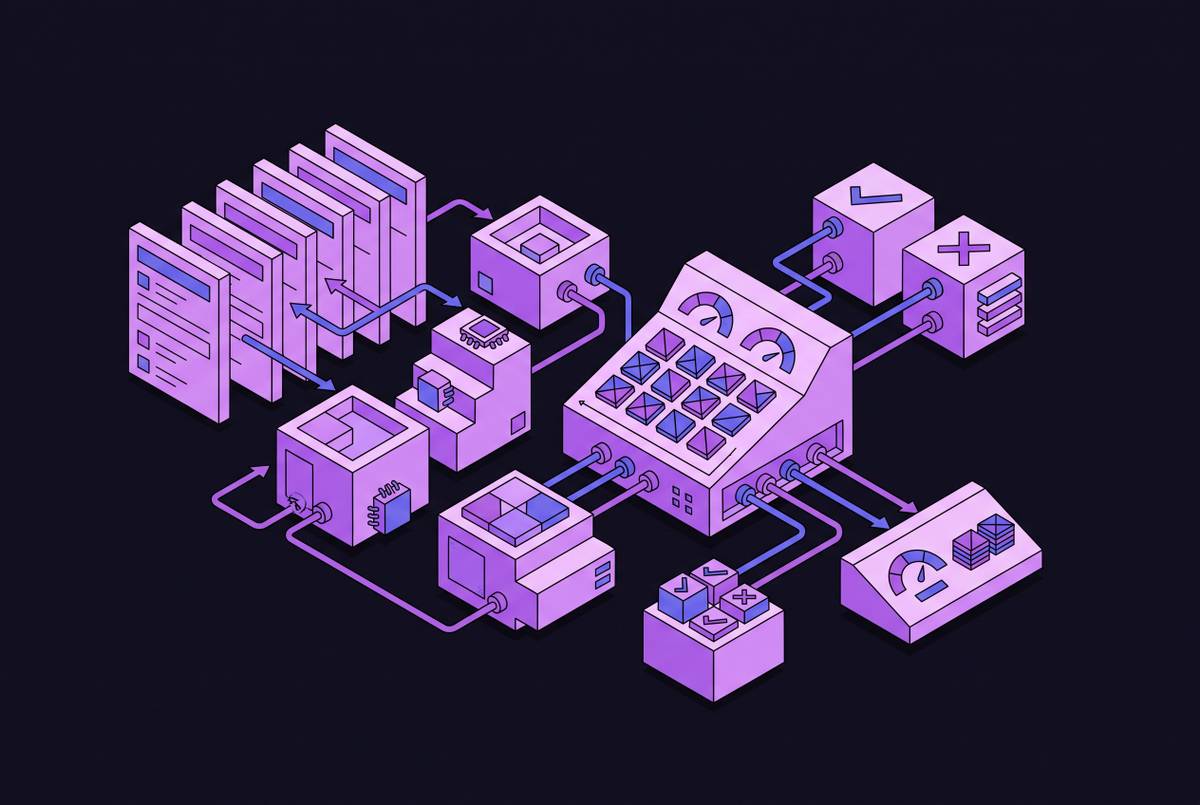
Agent Evaluation Frameworks for Production Readiness
Teams must evaluate agent trajectories and tool calls, not just final outputs.
The Context Window Editors·
 AI Agent Architectures
Tool Selection Reliability in LLM Agents
LLM agents fail predictably at tool selection, not randomly.
The Context Window Editors·
 AI Agent Architectures
Agent Memory Types in Long-Running Tasks
Persistent memory layers, not bigger context windows, solve agent degradation.
The Context Window Editors·
 AI Agent Architectures
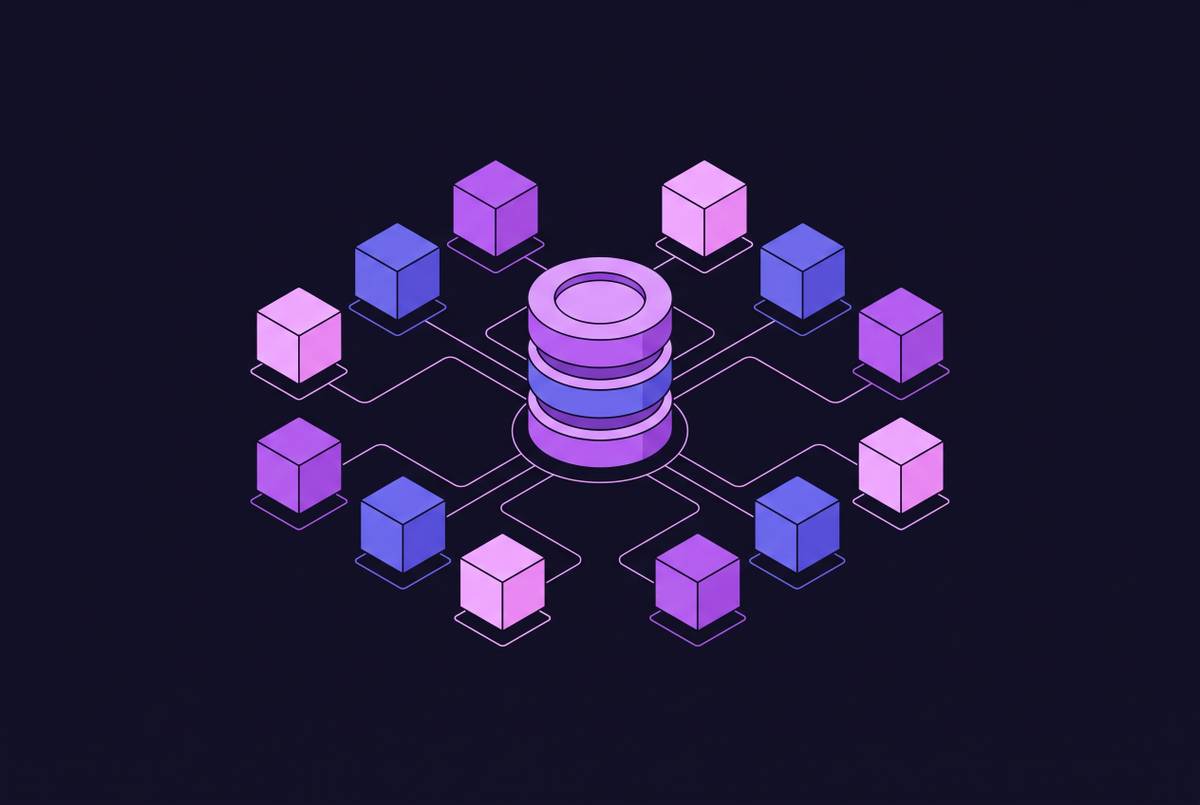
Multi-Agent Orchestration With Shared Context Stores
Shared context stores are the load-bearing component that makes or breaks multi-agent coordination.
The Context Window Editors·
 AI Agent Architectures
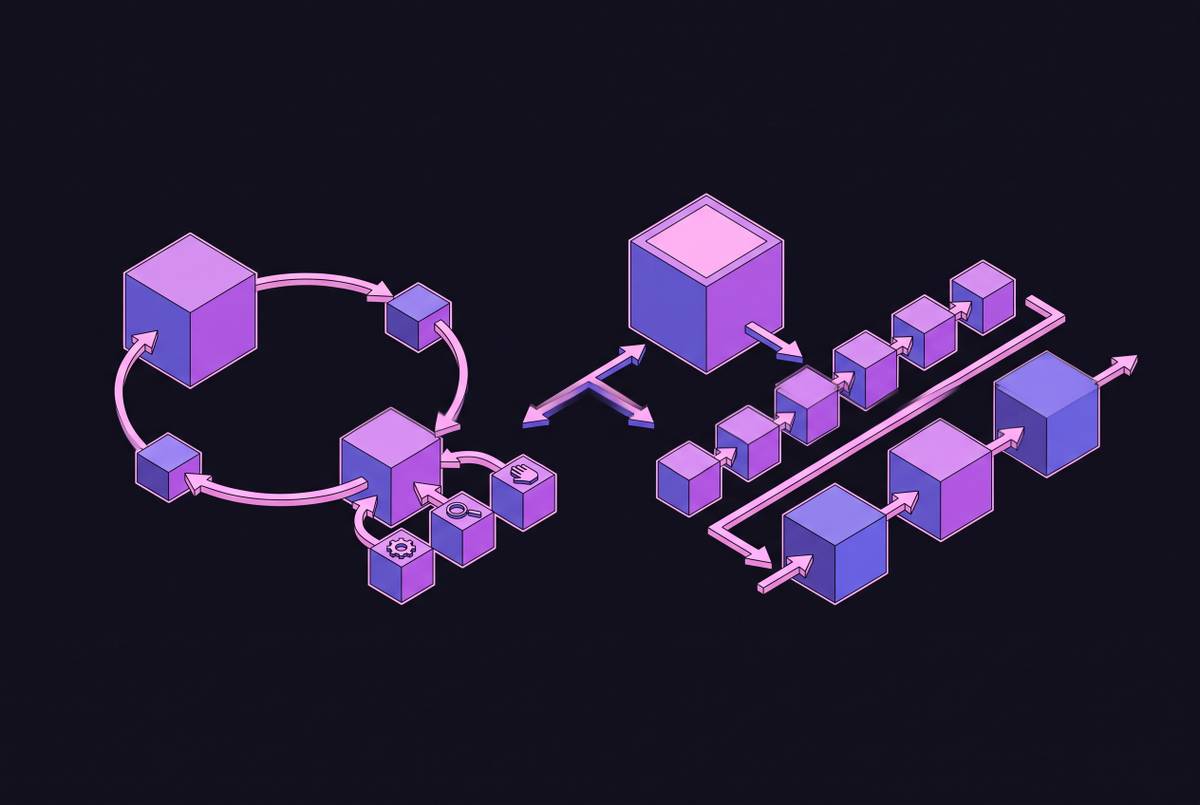
ReAct vs Plan-and-Execute Agent Patterns
ReAct adapts step-by-step while Plan-and-Execute locks in the full sequence upfront.
The Context Window Editors·
 AI Agent Architectures
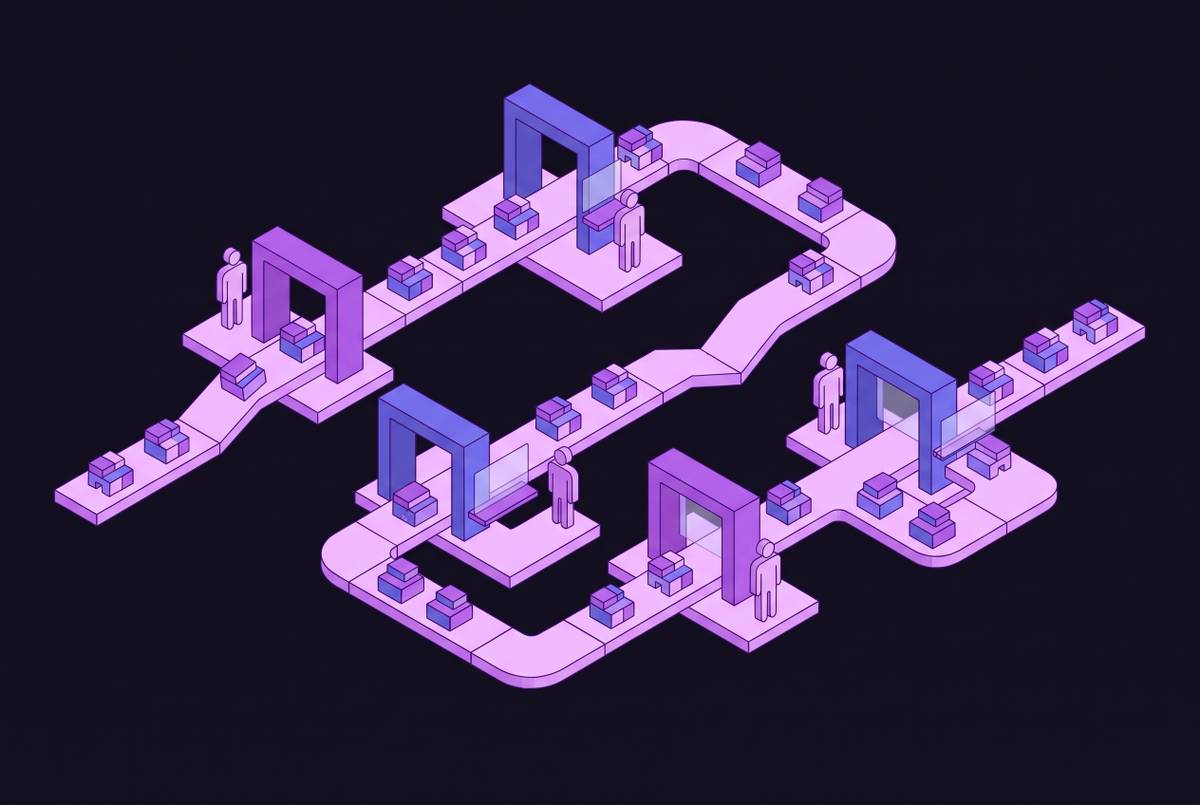
Human-in-the-Loop Checkpoints for Autonomous Agents
Prevent cascading failures by placing checkpoints where mistakes can't be quietly undone.
The Context Window Editors·
 Model Context Protocol
Stdio vs HTTP SSE Transport in MCP Deployments
Stdio works locally but scales to zero; Streamable HTTP handles remote teams and audit trails.
The Context Window Editors·
 Model Context Protocol
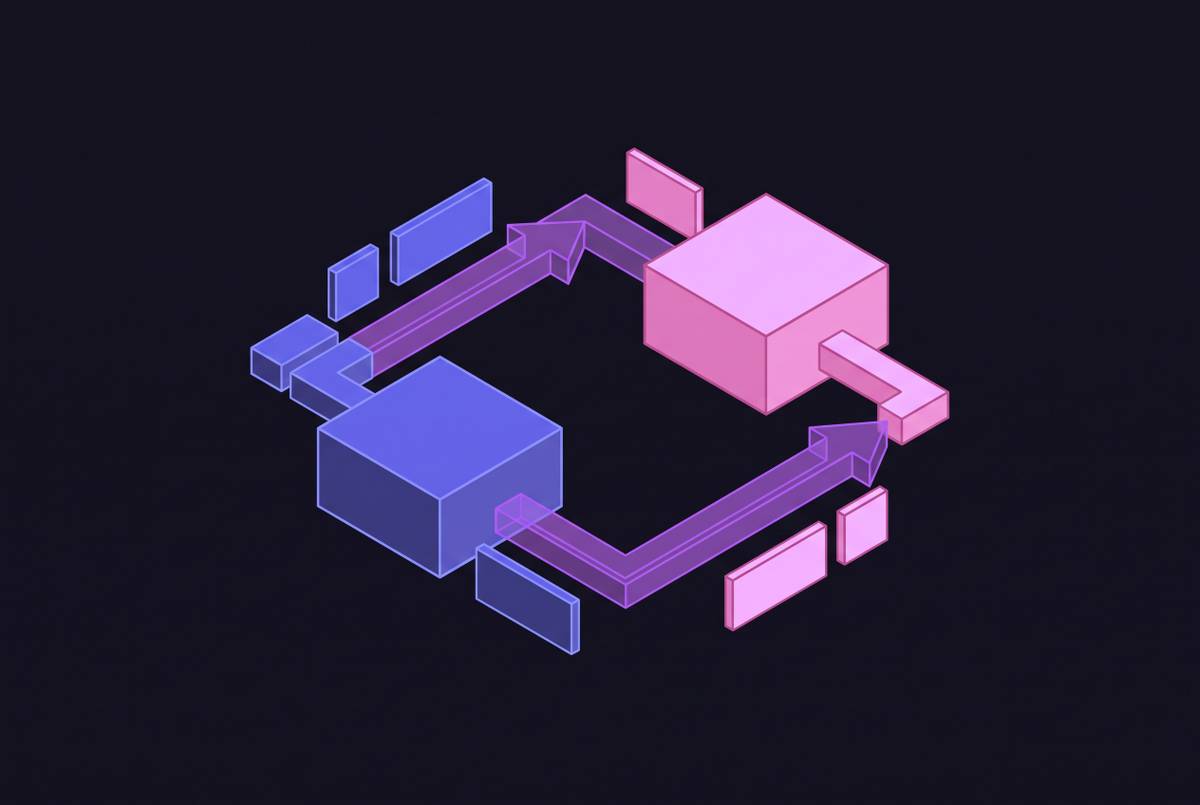
MCP Sampling Requests and Model Delegation
Servers can borrow the client's model, but the spec is already reworking how.
The Context Window Editors·
 Model Context Protocol
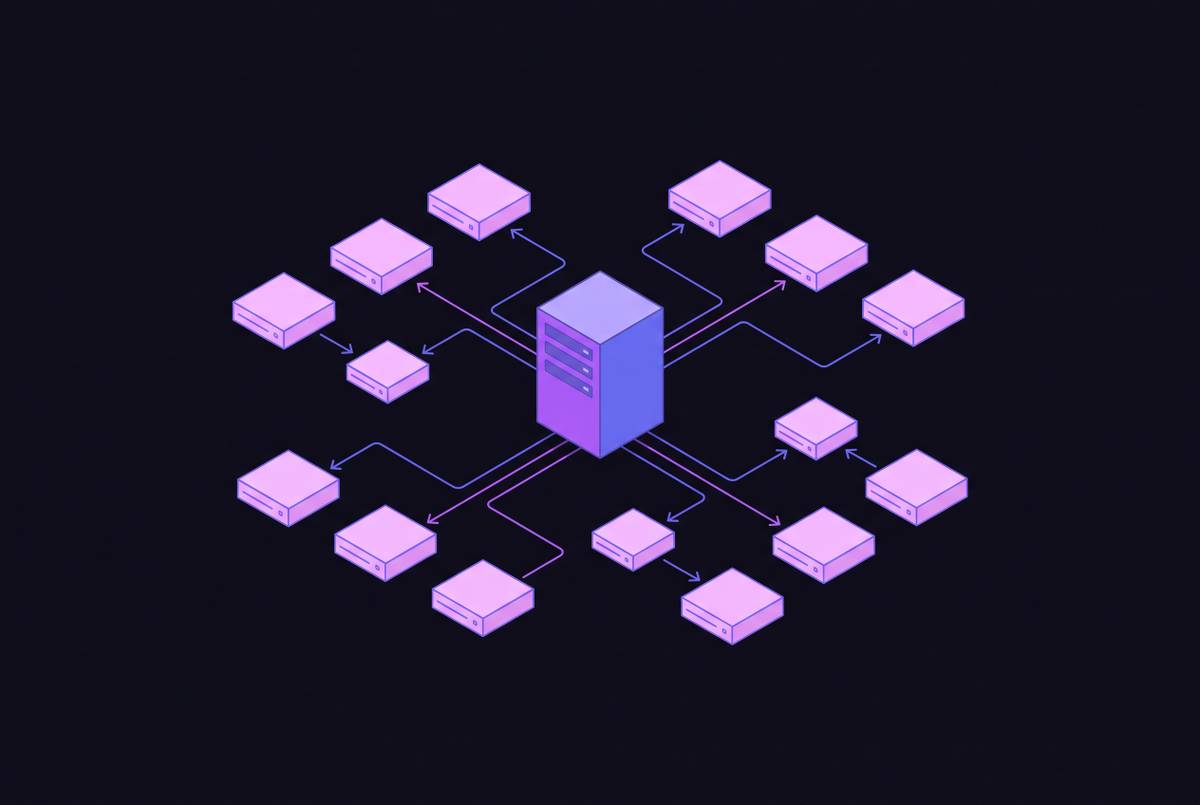
MCP Server Discovery and Registry Patterns
How MCP servers went from manual config chaos to federated discovery infrastructure.
The Context Window Editors·
 Model Context Protocol
MCP Resource vs Tool Distinction in Agent Design
Misclassifying Tools and Resources wastes tokens on every agent turn and silently tanks performance.
The Context Window Editors·
 Model Context Protocol
MCP Tool Call Error Handling Patterns
The Context Window Editors·
 Model Context Protocol
MCP Server Authentication in Production APIs
OAuth 2.1 becomes mandatory as MCP matures past its early prototype phase.
The Context Window Editors·
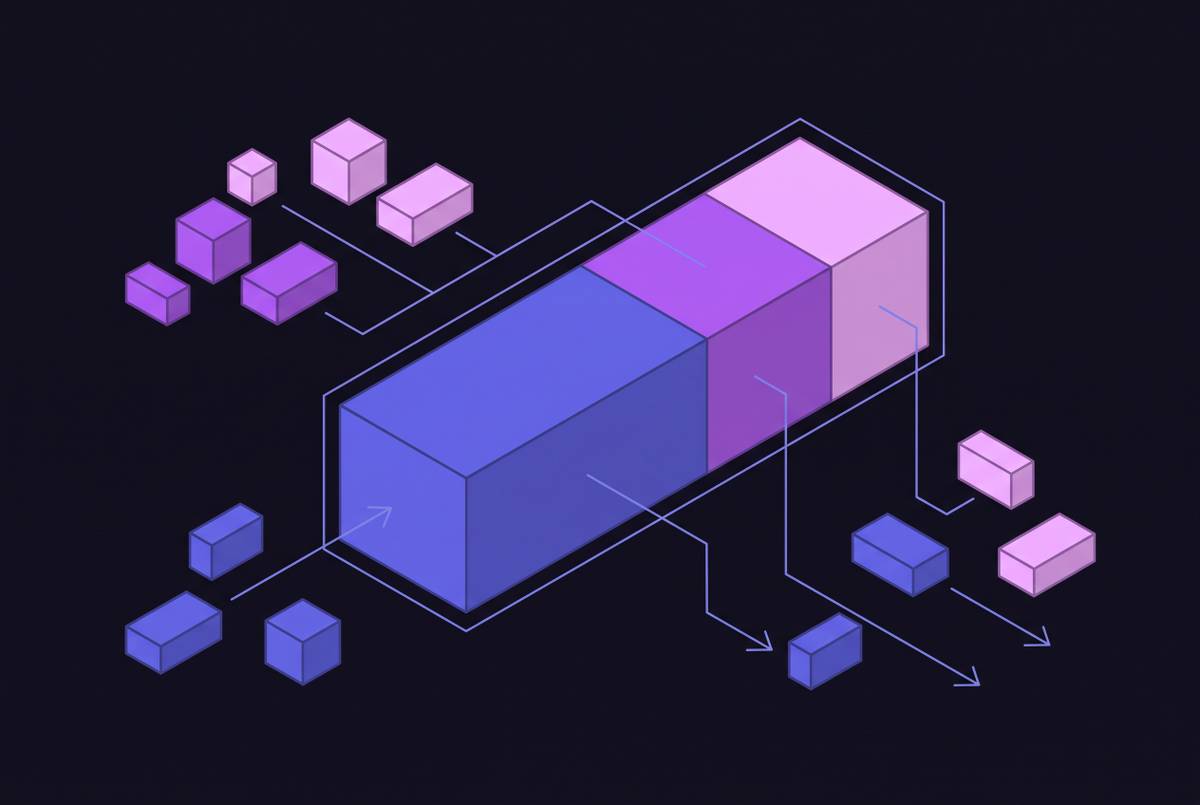 Model Context Protocol
MCP Context Window Budget Management
MCP sessions waste tokens on tool definitions before users even ask questions.
The Context Window Editors·
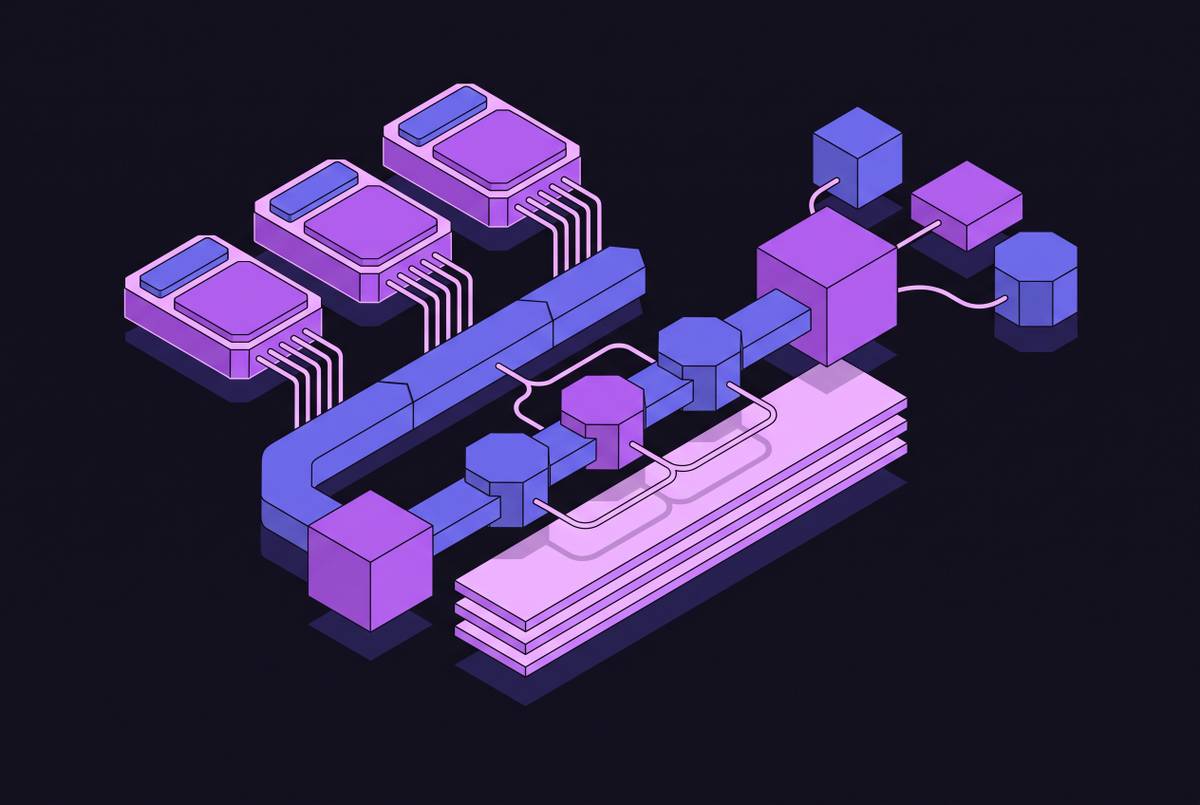 Model Context Protocol
MCP Prompt Templates for Structured Workflows
Master the distinction between tools, resources, and prompts before building your server.
The Context Window Editors·
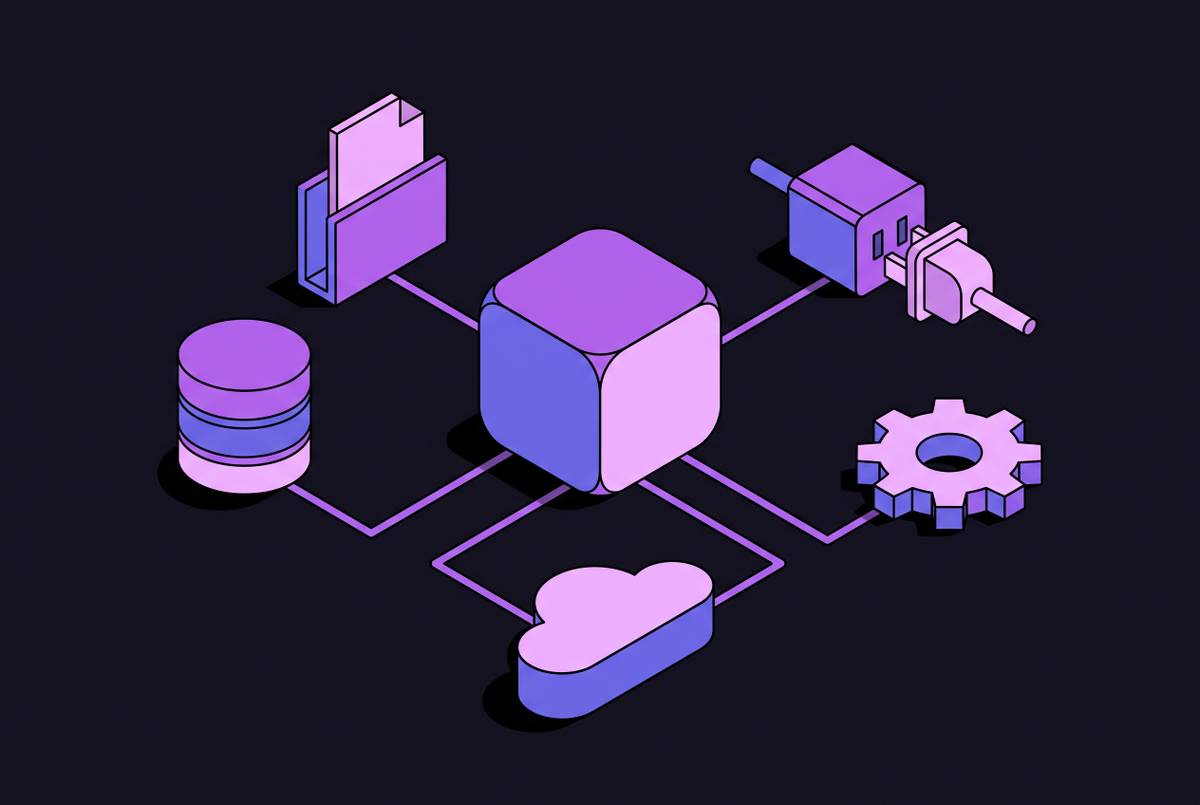 Features
MCP, Explained Without the Hype
A vendor-neutral standard that lets AI models connect to any tool without custom code.
The Context Window Editors·